Development of HCl-Activated Bottom Ash as an Adsorbent of Methylene Blue Removal
Developed and evaluated HCl-activated bottom ash from palm kernel shell combustion waste as an alternative adsorbent for methylene blue removal through batch adsorption experiments and material characterization.
Conducted a final-year research project focused on the utilization of bottom ash from palm kernel shell combustion waste as an alternative adsorbent for the removal of methylene blue (MB) from aqueous solutions. The research aimed to explore the potential of an underutilized combustion waste material as a value-added adsorbent while addressing the treatment of dye-containing wastewater.
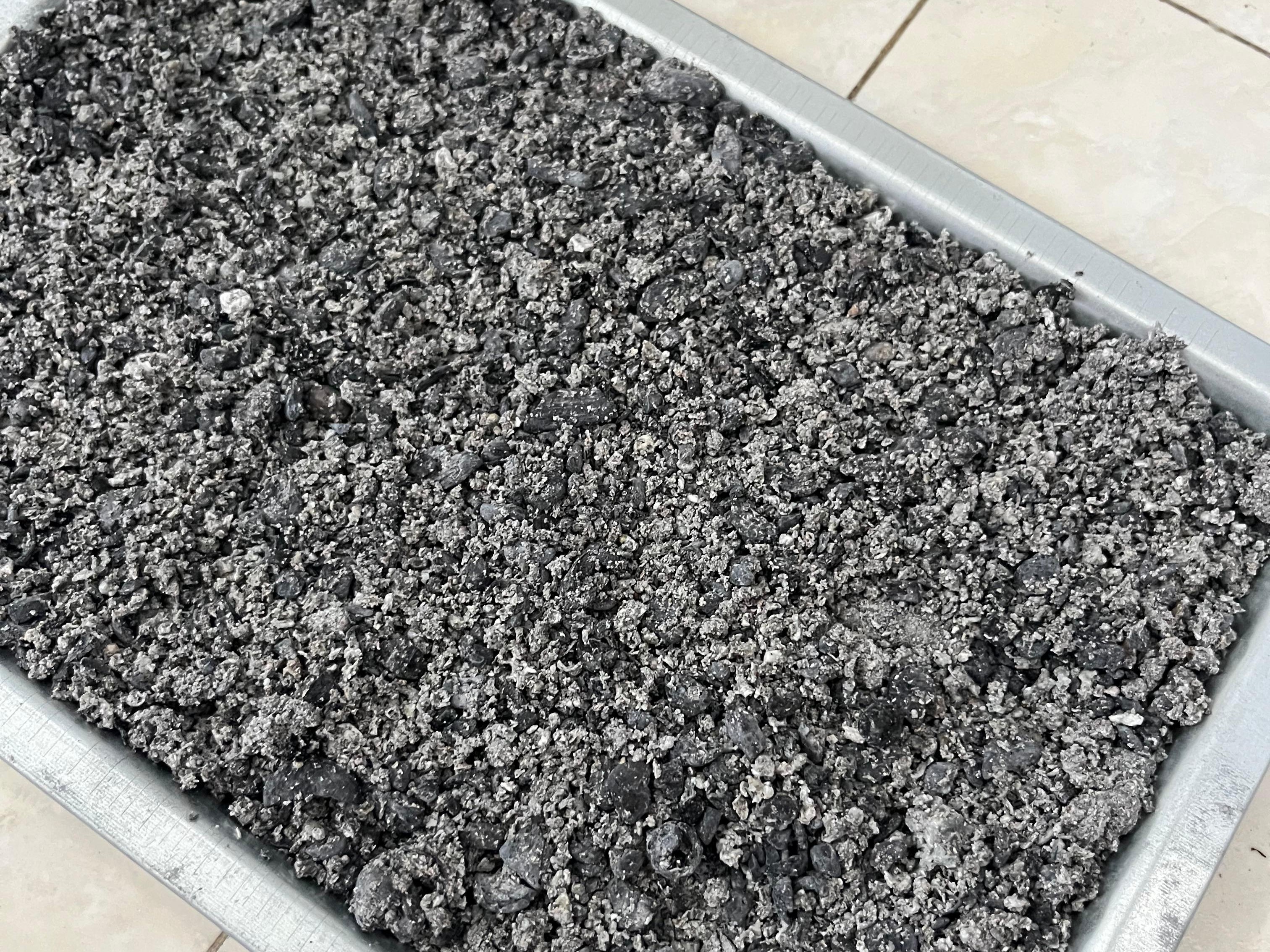
The research began with the preparation and characterization of the raw bottom ash to understand its physical and chemical properties. The material was then subjected to hydrochloric acid (HCl) activation to modify its surface properties and improve its potential adsorption performance. Different activation conditions were investigated to determine a suitable HCl concentration for subsequent adsorption experiments.
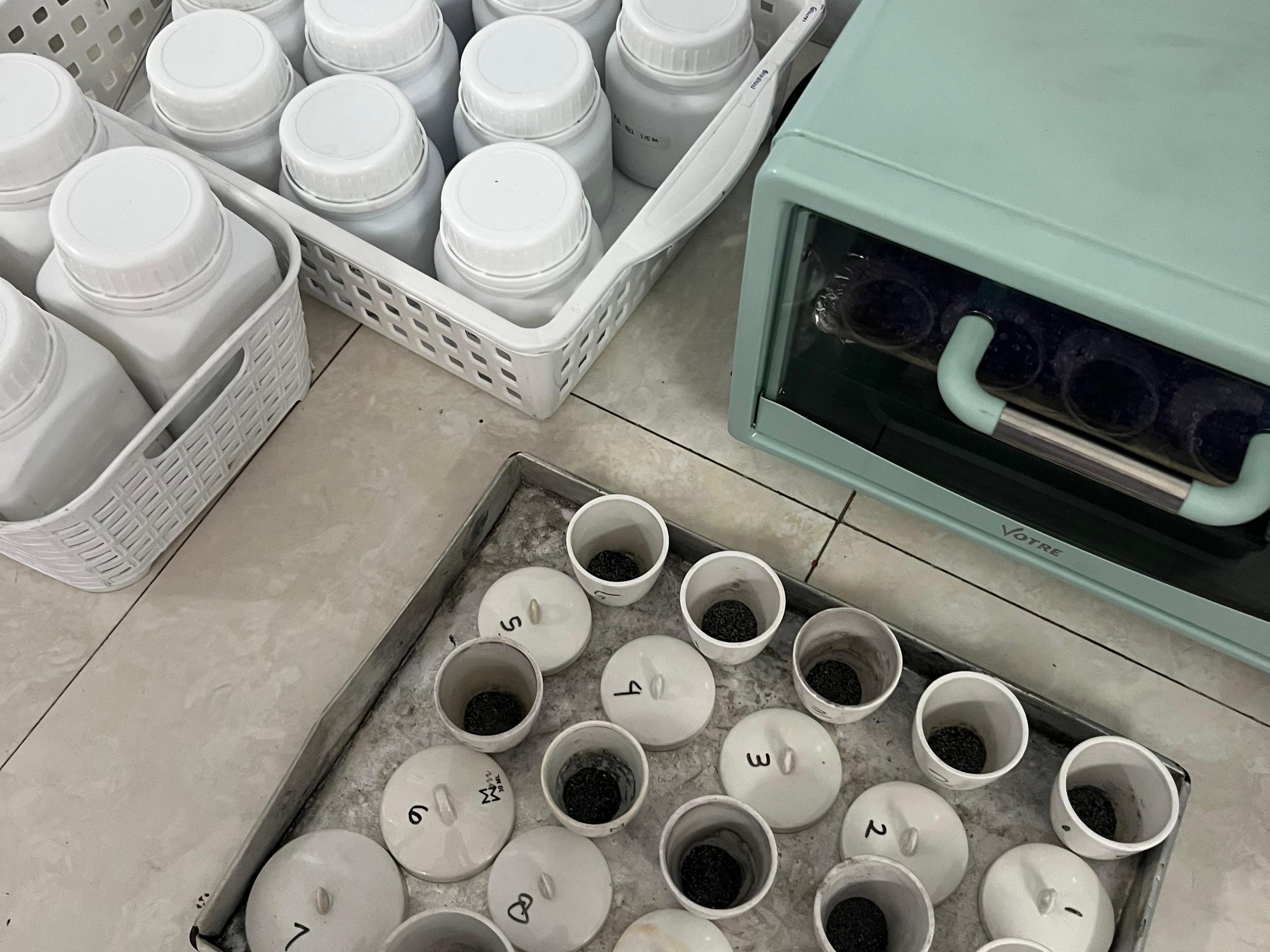
Material characterization was conducted using several analytical approaches, including proximate analysis, BET surface area analysis, Scanning Electron Microscopy (SEM), Fourier Transform Infrared Spectroscopy (FTIR), and iodine number analysis. These analyses were used to evaluate the characteristics of the bottom ash and identify changes associated with the activation treatment.
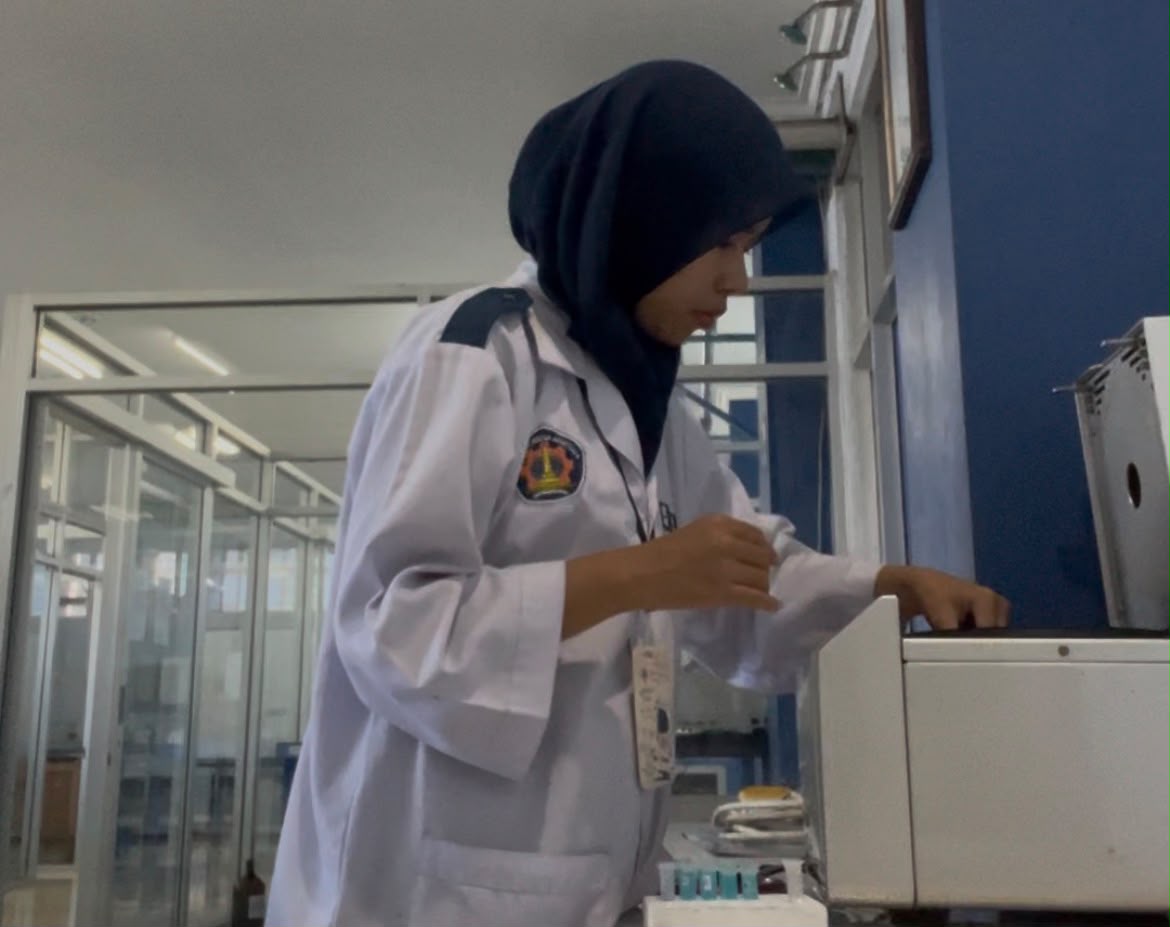
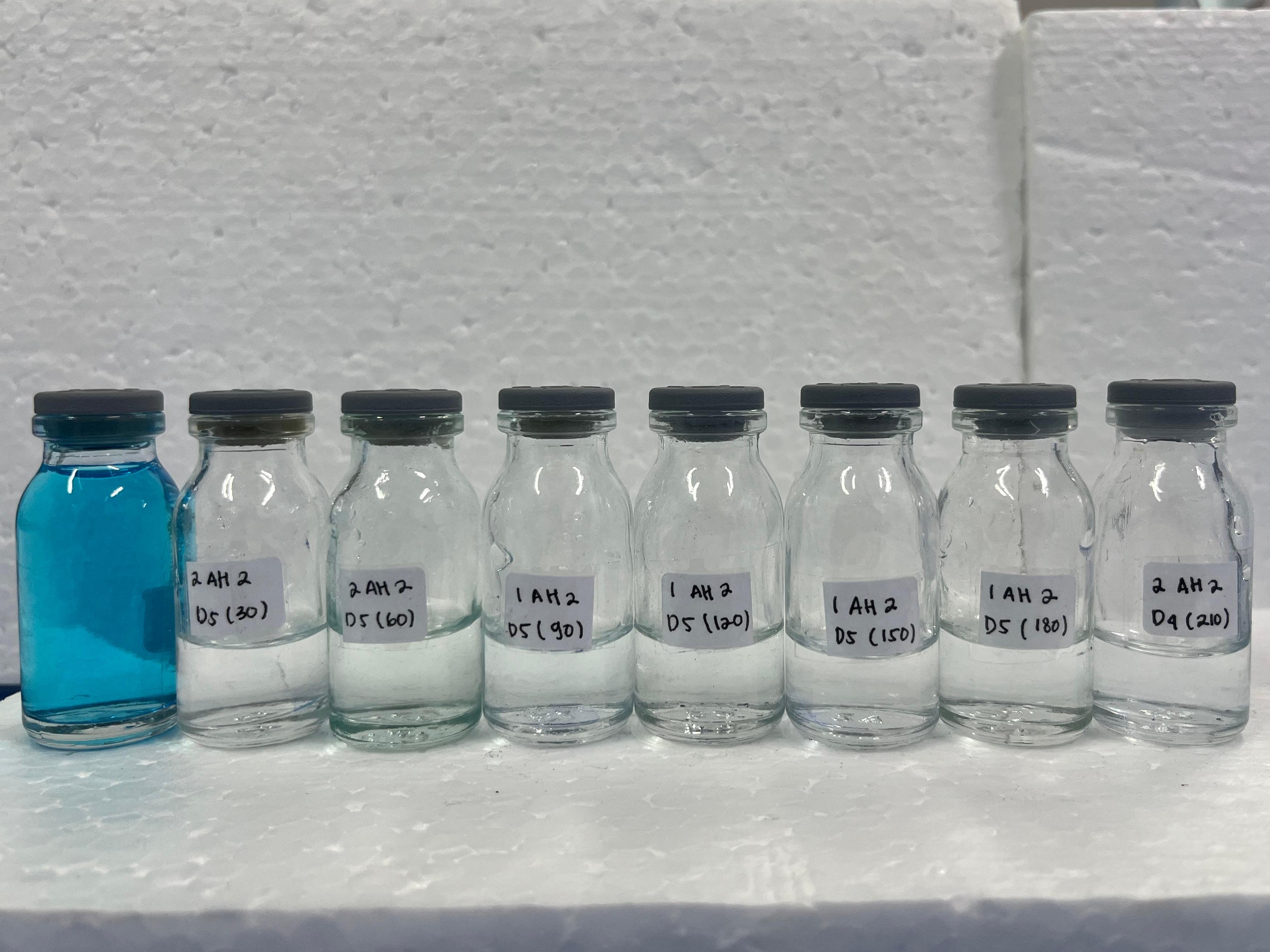
The adsorption experiments were performed using a batch adsorption system, with methylene blue used as the model pollutant. The concentration of methylene blue before and after adsorption was analyzed using UV-Vis spectrophotometry to determine the change in pollutant concentration and evaluate the adsorption performance of the prepared adsorbent.
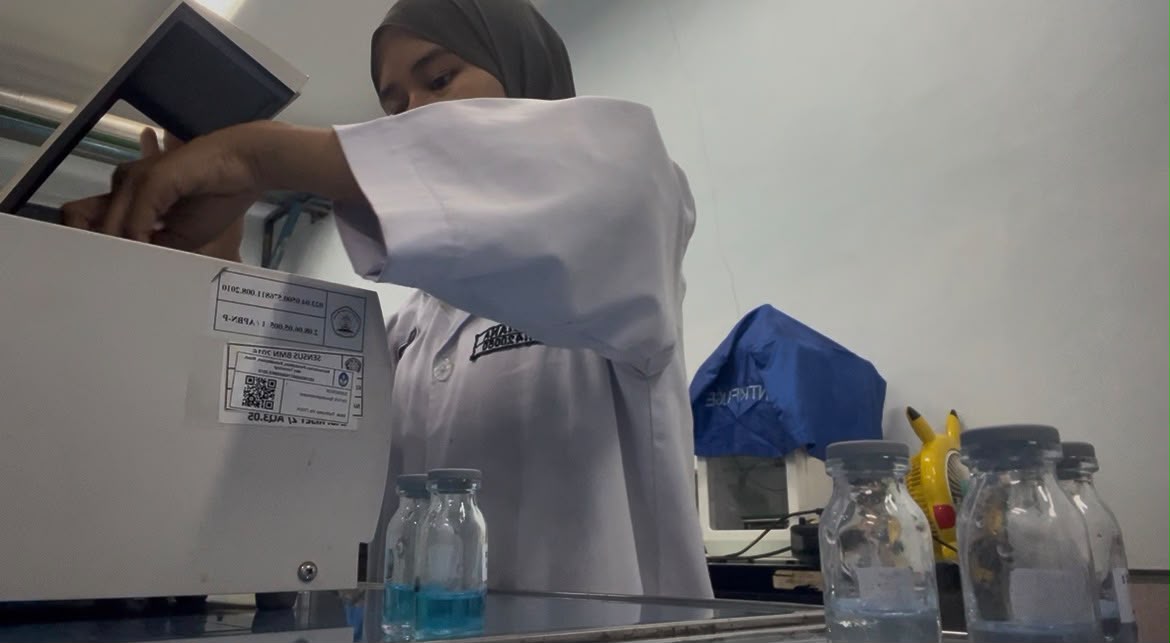
Several operating parameters were investigated, including HCl activation concentration, adsorbent dosage, and contact time, to determine the conditions that provided the best adsorption performance. The optimum activation condition was obtained using 1 M HCl, followed by optimization of the adsorbent dosage and contact time. The optimum adsorption condition was achieved at an adsorbent dosage of 0.25% (w/v) and a contact time of 150 minutes.
The research demonstrated the potential of HCl-activated bottom ash as an alternative adsorbent for methylene blue removal in a batch system. Beyond the experimental results, the project provided hands-on experience in laboratory experimentation, material preparation, chemical activation, analytical characterization, UV-Vis analysis, experimental parameter optimization, and interpretation of research data.
This research strengthened my ability to design and conduct experimental work systematically, analyze relationships between material properties and adsorption performance, and communicate technical findings through scientific documentation and presentation. It also developed my understanding of adsorption processes, wastewater treatment, waste valorization, and the application of chemical engineering principles to environmental challenges.
Key Skills
Adsorption · Wastewater Treatment · Waste Valorization · Chemical Activation · HCl Activation · Material Characterization · BET · SEM · FTIR · UV-Vis Spectrophotometry · Batch Adsorption · Experimental Design · Data Analysis